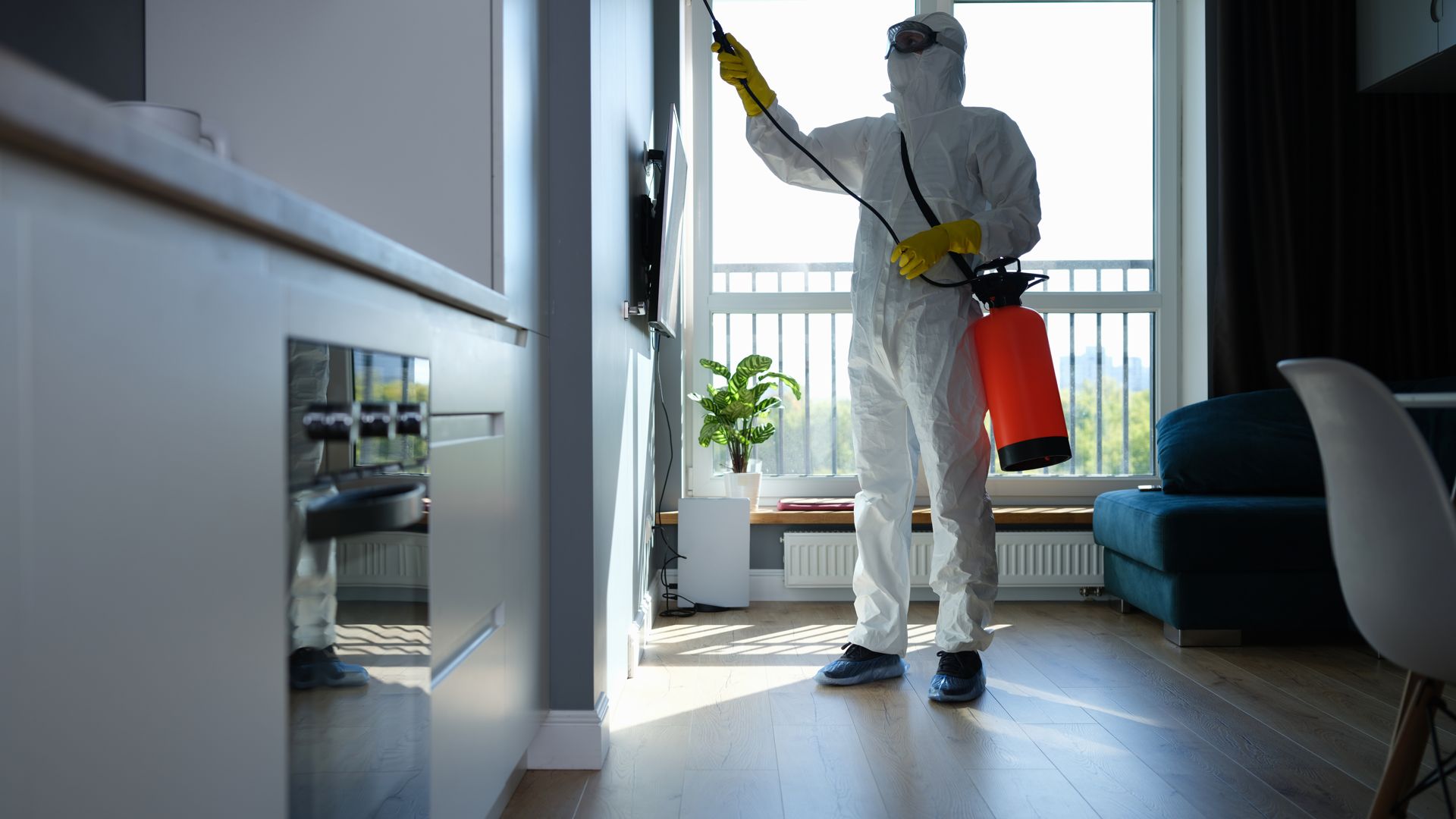
For many Henry County homeowners, the real nightmare is not spotting a few ants or a flying termite, it is picturing a surprise repair bill that drains the savings account. Wood destroying insects work quietly inside floors, walls, and crawlspaces, so by the time you see obvious damage, the cost to fix it can feel overwhelming.
The good news is that expensive structural repairs are not the only outcome. There is a wide range of practical steps that can shrink your risk and your long term costs, even if your budget is tight right now. When you understand how wood destroying insects behave in our part of Missouri and which protections give you the most value per dollar, you can plan ahead instead of reacting in crisis mode.
At Jerry’s Pest Management, we have been protecting homes in Clinton, Henry County, and nearby communities since 1982. Our family owned team uses Integrated Pest Management, IPM, to help keep WDI control affordable by focusing first on inspection, prevention, and targeted treatments instead of dumping more chemicals around your home than you actually need. In this guide, we will walk through cost effective WDI solutions that have proven themselves in local homes like yours.
Why Cost-Effective WDI Protection Matters in Henry County
In Henry County, wood-destroying insects (WDI), such as subterranean termites, carpenter ants, and wood-boring beetles, are silent threats. Because they often attack structural wood from the inside out, most of their damage happens where you cannot see it until it is too late. Local properties, especially those near Clinton with crawlspaces or moisture-heavy foundations, are particularly vulnerable.
From a financial standpoint, timing is everything. Catching a termite issue early costs a fraction of what you would pay to replace floor joists or subflooring. True cost-effective WDI solutions aren't about finding the cheapest spray; they are about shortening the time between an insect's arrival and your professional response.
What Truly Makes a WDI Solution Cost-Effective
Many homeowners mistake the lowest upfront price for the best deal. However, a low-priced treatment that fails to reach the colony or ignores moisture problems often leads to more WDI damage down the road. True cost-effectiveness considers the total cost of ownership—including future repairs and the value of the damage prevented.
A layered approach is the most efficient way to manage your budget and your home's safety:
- Professional Inspection: Knowing exactly what is happening inside your walls.
- Condition Correction: Fixing moisture issues or wood-to-soil contact to deter pests.
- Targeted Treatment: Investing in specialized WDI control rather than repeated, ineffective DIY attempts.
By catching activity early, you avoid the most expensive repair categories, like sagging floors or compromised door frames.
Low-Cost Prevention Steps Henry County Homeowners Can Do Themselves
A big part of keeping WDI control affordable is reducing how attractive your home is to these insects in the first place. The good news is that many of the most effective steps are either free or low cost. In Henry County, where we see a lot of moisture issues in crawlspaces and around foundations, simple maintenance can go a long way toward protecting your home and your wallet.
Moisture management is one of the best places to start. Check your downspouts and gutters. Make sure water is carried several feet away from the foundation, not allowed to pool near the footing. Look for leaky outdoor spigots or air conditioning condensate lines that drip against the house. Inside, if you have a crawlspace, take a careful look for standing water, damp soil, or bare earth without some form of plastic barrier. Improving drainage, fixing small leaks, and adding or repairing vapor barriers where appropriate can significantly lower termite and carpenter ant pressure.
Next, reduce wood to soil contact wherever you can. Termites move from soil into wood, so when deck posts, steps, fences, or siding sit directly in the ground, they create an easy highway for insects. If possible, use concrete pads or metal brackets under posts and keep the soil line clearly below siding and weep holes. Avoid piling mulch, firewood, lumber, or old stumps against the foundation. Keeping a visible gap between the soil and your siding or brick makes it easier to spot mud tubes and other signs before damage goes too far.
Finally, develop some simple inspection habits around the parts of your home that are most at risk. A few times a year, walk around your foundation and look for pencil width mud tubes climbing up the concrete or block. Tap exposed structural wood in basements or crawlspaces and listen for hollow or papery sounds. Check decks, porch posts, and window sills for blistered or soft spots and look under them for small piles of sawdust like material that may be frass from carpenter ants or beetles. These habits cost nothing and often catch problems early.
When we perform inspections, we go through these same checks and point out what we see so homeowners can understand the conditions in their own homes. That is a core part of the Integrated Pest Management approach we use.
How Integrated Pest Management Keeps WDI Control Affordable
Integrated Pest Management (IPM) is a smart strategy that prioritizes long-term solutions over temporary fixes. For Henry County homeowners, this means spending money where it actually counts, reducing the risk of expensive structural emergencies.
The IPM process at Jerry's Pest Management LLC focuses on three core pillars:
- Inspection & Monitoring: We pinpoint exactly where pests like termites or carpenter ants are active—from crawlspaces to support piers—so you only pay for what you need.
- Condition Correction: Simple fixes like moving stacked lumber, improving ventilation, or fixing leaky downspouts remove the "welcome sign" for wood destroying insects.
- Targeted Treatment: Instead of saturating your entire property, we apply WDI control only to the specific areas where it is needed, lowering both chemical use and costs.
By matching the method to the actual problem, we help our neighbors in Clinton and Warsaw build a sustainable, budget-friendly protection plan.
Comparing WDI Treatment Options by Long-Term Value
Choosing the right WDI protection is about balancing upfront costs with long-term structural safety. At Jerry's Pest Management LLC, we walk you through the most effective options for our local Missouri soil:
- Liquid Soil Treatments: These create a protective barrier around your foundation. While they require an initial investment, they offer durable, broad-spectrum WDI control that prevents costly future repairs.
- Bait Systems: These stations monitor for activity and eliminate colonies before they reach your home. They are often less disruptive to your landscaping and offer ongoing peace of mind.
- Targeted Wood Treatments: We treat exposed beams or joists directly in high-risk areas like basements. This is a highly cost-effective WDI solution for protecting specific vulnerable structures.
Our team also offers organic and lower-impact options to fit your family's needs. We provide free estimates to help you determine which system offers the best value for your home's unique history and layout.
When Professional Help Saves Money Compared to DIY
It is natural to want to save money with over-the-counter products, but DIY sprays often only reach the insects you can see. Wood destroying insects typically hide deep inside timbers or underground. Surface treatments can actually push colonies deeper into your walls, leading to hidden WDI damage that grows more expensive every day.
You should call for a professional inspection if you notice:
- Mud tubes on foundation walls or piers.
- Termite swarmers near windows or doors.
- Small piles of "frass" (sawdust) near wooden structures.
- Wood that sounds hollow when tapped.
Investing in a professional assessment from Jerry's Pest Management LLC provides clarity. We bring over 40 years of local expertise to ensure you aren't just guessing. Catching a problem now—rather than after your floors start to sag—is the ultimate way to save money.
Building a Budget-Friendly WDI Protection Plan
Protecting your home shouldn't be a financial burden. A successful plan is one that is tailored to your specific risk level and budget. If you are concerned about costs, we often recommend a phased approach:
- Year One: Focus on a comprehensive inspection and fixing critical moisture or wood-to-soil issues.
- Year Two: Add monitoring stations or expand treatments to secondary structures like decks.
- Ongoing: Annual inspections become your primary defense, catching new activity before it turns into a major repair bill.
As a family-owned business, Jerry's Pest Management LLC values open communication. We are here to help you build a plan that makes sense for your finances while keeping your property sound. Protecting your home is our family tradition, and we are proud to be your long-term partners in Henry County.
Protect Your Henry County Home & Budget with a Smart WDI Plan
Cost effective WDI protection is not about finding the absolute cheapest product on the shelf or buying the biggest professional treatment package available. It is about making smart, informed choices that fit your home and your budget, starting with early detection, practical moisture and maintenance work, and the right level of professional support. When those pieces come together, many Henry County homeowners can significantly lower their risk of expensive structural damage without overspending.
Every home in our area has its own story, from older farmhouses and lake cabins to newer construction around Clinton. The most economical plan for your neighbor might not be the right one for you. If you would like clear answers about your WDI risk and straightforward options for protecting your home, we are ready to take a careful look and talk through what makes sense for you. Call Jerry’s Pest Management for a free estimate and inspection so you can move from worry to a workable plan.