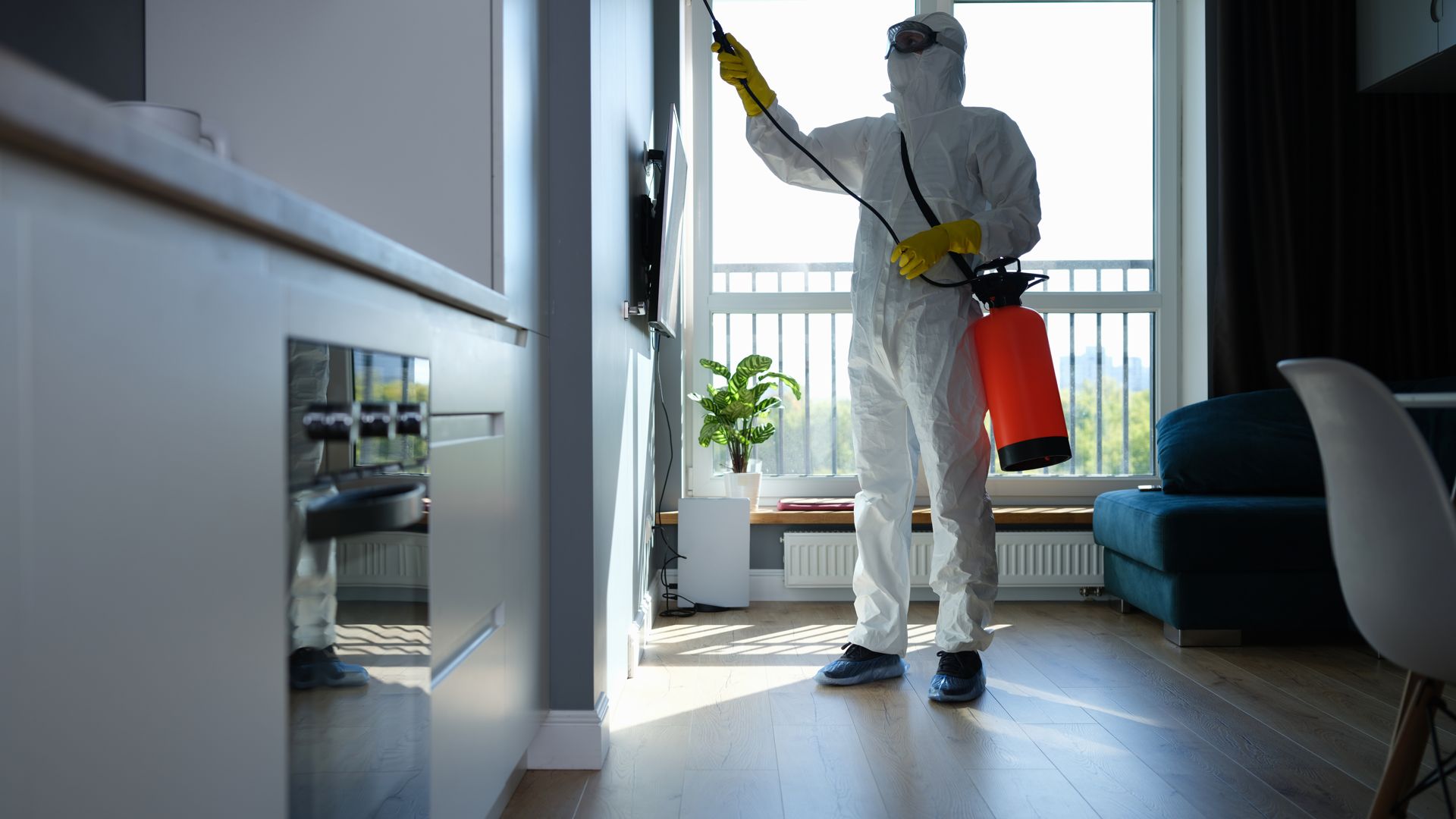
An upcoming pest inspection can make any Henry County business owner a little nervous, especially if customers, employees, or another inspector will be walking through right after us. You are juggling a lot already, from staffing and inventory to health and safety expectations. The last thing you want is an inspection that drags on, disrupts your day, or uncovers a surprise you could have avoided with a little advance planning.
With a clear plan, a business pest inspection can be quick, thorough, and productive instead of stressful. When you know what we will look at, which areas need the most attention, and how to prepare your staff, you can set up the visit so it fits your schedule and helps you stay ahead of pest problems. Preparation is less about doing a deep clean for appearances and more about giving us a clear view of the conditions pests use to get in and stick around.
At Jerry's Pest Management LLC, we have been working with local businesses since 1982, so we have seen how preparation can make or break an inspection. Our team uses Integrated Pest Management methods, which means we pay close attention to sanitation, structural issues, and daily habits that attract pests, not just the pests themselves. In this guide, we share exactly how to get your Henry County business ready for a pest inspection so the visit is efficient, low stress, and truly useful for your long-term pest control plan.
Why Preparation Matters For Your Business Pest Inspection In Henry County
Preparation has a direct impact on how much of your building we can inspect and how accurate our findings will be. When storage rooms are packed tight against walls, equipment is buried in clutter, or key doors are locked with no one available to open them, we are forced to work around blind spots. Those blind spots are often where rodents travel, where cockroaches hide, or where stored-product pests get started. A well-prepared site lets us see the full picture so we can give you information you can rely on.
For Henry County businesses, there is usually more at stake than simply checking a pest control box. Restaurants, grocery stores, and food processors know that inspectors pay attention to both pests and the conditions that attract them. Offices, clinics, and schools want to protect staff and visitors while keeping operations running smoothly. Warehouses and retail stores often answer to landlords or corporate auditors who expect to see a documented, proactive approach to pest management. Good preparation before a pest inspection supports all of those goals.
Get Key Areas Ready Before Your Pest Technician Arrives
The most effective way to prepare for a business pest inspection in Henry County is to focus on the areas pests use most. These are usually the same areas your staff uses heavily every day, which means they collect clutter, spills, and storage overflow that can hide pest activity. Kitchens and food prep areas, dry storage, staff break rooms, bathrooms, mop closets, mechanical rooms, and loading docks almost always deserve extra attention.
In each of these zones, the goal is not to make everything spotless for appearances. The goal is to let us see walls, floor edges, corners, and hidden spaces where pests travel. That often means pulling light items a few inches off the wall, organizing shelves so we can see around and under products, and removing unnecessary clutter that creates hiding spots. When we can see where the floor meets the wall, where pipes come through the wall, and where equipment sits on the floor, we can spot droppings, rub marks, shed skins, and other early signs of activity that staff may miss.
Exterior conditions are just as important. Dumpsters pushed close to buildings, cardboard and pallets stored outdoors, and trash spills that are never fully cleaned up all invite rodents, flies, and other pests to set up near your doors. Before an inspection, it helps to tidy up around dumpsters, sweep or hose away old debris if it is safe to do so, and move items away from exterior walls where possible. This does not need to be perfect. It simply needs to be good enough that we can see any trails, burrows, or nests that may be forming around your building.
Inside Your Building: Kitchens, Storage, and Break Rooms
In kitchens and food prep areas, focus on access and sanitation where pests are most likely to appear. Wipe up visible grease and food spills, especially under and behind equipment you can safely move. Remove open food from counters and place it in sealed containers or refrigeration so we can see if there are droppings, egg cases, or other signs along the backsplashes and floor edges. If possible, pull lighter items like rolling carts or garbage cans a few inches away from walls so we can run a flashlight along those gaps.
Dry storage often becomes a favorite hiding place for pests because it combines food, cardboard, and less frequent staff traffic. Before the inspection, organize shelves so packaging is not piled directly on the floor, and leave a small gap between the bottom shelf and the wall where you can. Sealing or labeling containers makes it easier for us to see if anything has been chewed, torn, or contaminated. We are less concerned about perfect labeling and more concerned about whether pests can chew into containers or hide behind towers of boxes that never move.
Staff break rooms and office areas can also support pests if food, drink, and trash are left out. Clear clutter from under sinks and behind refrigerators or beverage coolers, and make sure baseboards and corners are visible. If you have couches, chairs, or cabinets that rarely move, try to shift lighter items so we can at least look along the edges where the floor meets the wall. These simple steps allow us to check for ant trails, droppings, or German cockroach activity that may be starting in quiet corners.
Outside Your Building: Dumpsters, Doors, and Loading Docks
Start with your waste areas; ensure dumpster lids close properly and clear loose debris so we can check for burrows or breeding sites without obstruction. Next, clear items stacked against loading docks and exterior doors to allow us to inspect thresholds and weatherstripping for gaps that admit rodents. Finally, take note of any pooling water or dense landscaping touching the building, as these conditions naturally encourage pests to approach your facility.
Make Sure We Can Access Hidden And High-Risk Areas
Pests thrive in quiet spots like utility rooms, drop ceilings, and storage closets, so full access is critical. Please ensure keys, access cards, or alarm codes are ready for all locked spaces, including roof hatches and mechanical rooms. In storage areas, try to move pallets or boxes slightly away from walls to reveal potential pest highways. If you have sensitive zones like server rooms, let us know beforehand so we can inspect them safely and efficiently.
Common Preparation Mistakes to Avoid
Even the most well-intentioned business owners can accidentally sabotage their own inspection. To get the most out of our visit, avoid falling into these common traps:
The "Surface-Only" Clean: Polishing the counters makes the front-of-house look great, but pests thrive on the grease under the stove and the crumbs behind the shelving. Don't just clean what the customer sees; clean the deep corners where the pests actually hide.
The Clutter Pile-Up: It is tempting to shove all your extra boxes into one "spare room" to tidy up the main floor. Unfortunately, this creates an impenetrable fortress for rodents and blocks us from inspecting that area entirely. If you must move things, leave gaps so we can see the baseboards.
Scheduling During the Rush: Booking an inspection during your busiest lunch rush or peak retail hour adds unnecessary stress for everyone. We need space to work, and your staff needs space to serve customers. Let’s find a quiet window where we can focus without disrupting your revenue.
Keeping Secrets: Don’t be afraid to tell us what you have seen. Hiding a past mouse sighting to "save face" doesn't protect your reputation; it just removes a critical clue we need to solve the puzzle. We are here to help, not to judge.
Prepare Your Staff So The Inspection Runs Smoothly
Inform your team ahead of time to ensure they do not inadvertently block access or deep-clean areas right before we look for evidence. We recommend designating a single primary contact—such as a manager or maintenance lead—to accompany our technician, unlock doors, and provide context. Since we use safe Integrated Pest Management methods, you can reassure staff that the visit is a routine safety check rather than a hazardous event. Finally, encourage employees to speak up about any pest activity they have noticed; their daily observations are often the most valuable intelligence we can get.
Gather Your Pest History, Cleaning Records, And Maintenance Notes
Pest issues often follow patterns, so having your history ready allows us to solve problems faster. Please gather any previous pest control reports, health inspection notes, or simple logs of where activity has been seen (e.g., "ants near the back sink"). Access to cleaning schedules is also helpful; knowing that floors are mopped daily but drains are rarely scrubbed points us toward specific breeding sites. We use this data to connect the dots between past occurrences and current risks, ensuring our plan fits the reality of your operations.
What To Expect During A Business Pest Inspection In Henry County
A typical inspection with Jerry's Pest Management LLC begins with a walkthrough to understand your layout and operational flow. We prioritize high-risk zones relevant to your industry—such as kitchens, loading docks, or medical storage—looking for structural gaps, moisture, and signs of activity like droppings or rub marks. We use tools like high-intensity flashlights and monitoring stations to check perimeters and dark corners where pests hide. We conclude by reviewing the results with you immediately and outlining a practical plan to address any issues found.
Turn Your Inspection Into A Long-Term Strategy
A single inspection shouldn't be a "one-and-done" event; it is the foundation for a fortress. We take every discovery—from a gap under the door to a damp utility closet—and use it to build a customized Integrated Pest Management plan. This means less reliance on chemicals and more focus on smart exclusion, sanitation, and monitoring that actually prevents pests from returning.
Why partner with us? As an A+ BBB rated, family-owned business, Jerry's Pest Management LLC prioritizes relationships over quick transactions. We offer free estimates, organic treatment options, and a service guarantee that ensures we come back if the pests do. Don't just prep for an audit; prep for peace of mind. Contact us today to design a long-term safety plan that keeps your business running smoothly.
Call (660) 210-2730 to schedule your business pest inspection or request a free estimate today.